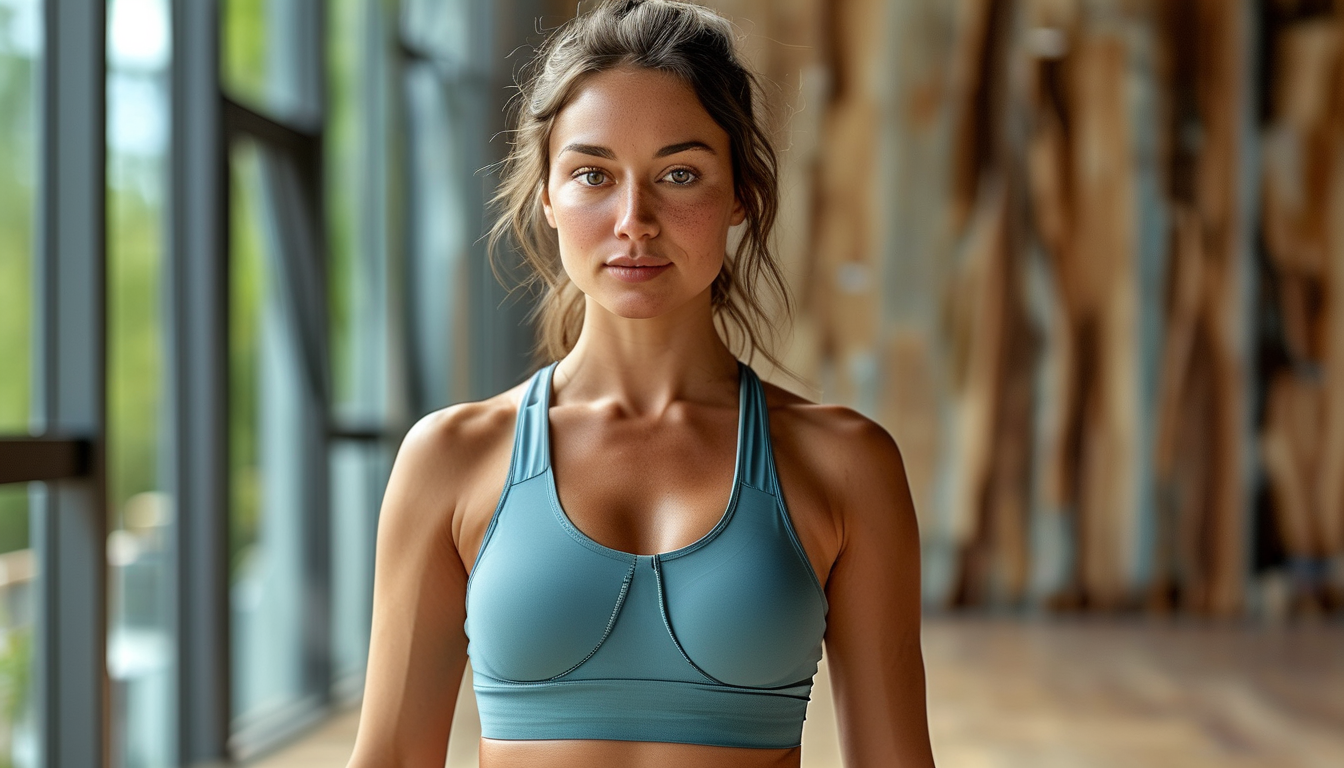
Seamless vs Seamed Activewear: Which Is Right for You?
Activewear splits into two tribes: seamless knits that hug like a second skin, and seamed constructions that sculpt like gentle armor. Neither is ‘better’ — they’re different tools. Here’s how to choose the right construction for your body and your workout.

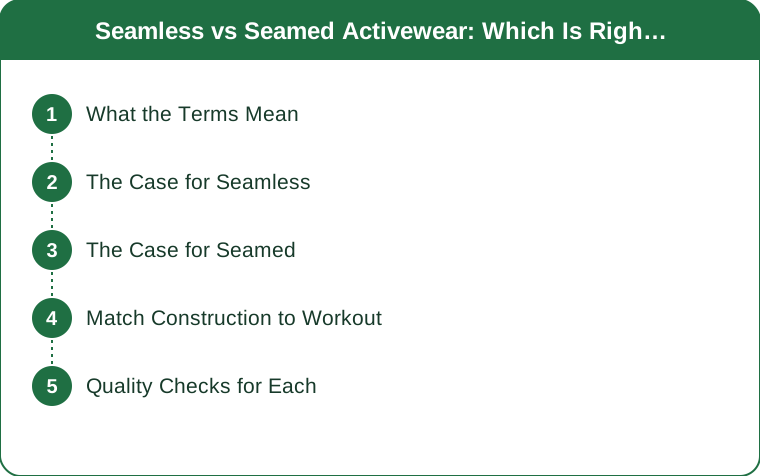
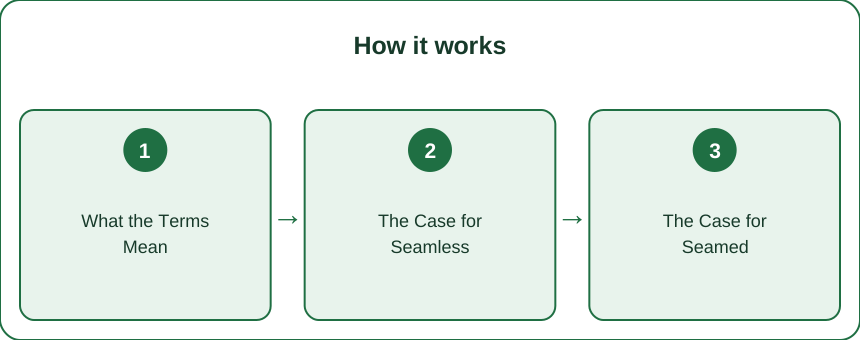
What the Terms Mean
Seamless is knitted as a tube with zones of texture - minimal stitching, maximal stretch. Seamed is cut-and-sewn panels, engineered for compression and shaping. Construction determines feel and function.
The Case for Seamless
Nothing rubs, everything moves - ideal for yoga, lounging, sleep-adjacent athleisure and sensitive skin. Ribbed textures add visual interest and forgiveness. The tradeoff: lighter compression and support.

The Case for Seamed
Panels create targeted compression, waistbands stay anchored, and strategic lines sculpt silhouettes. For running, HIIT and heavy training, seams equal security. The tradeoff: potential friction points on long wears.
Match Construction to Workout
High-impact and sweaty: seamed compression. Flow, stretch and rest-day: seamless comfort. Many wardrobes want both - it’s not a marriage, it’s a toolkit.
Quality Checks for Each
Seamless: check recovery (does it bounce back?) and opacity in a squat. Seamed: check flatlock stitching and waistband strength. Either construction done cheaply disappoints; done well, delights.
Seamless for glide, seamed for hold - let the workout choose. Stock a couple of each construction and you’ll always reach for the right second skin. The best activewear drawer speaks both languages.
Keep Reading
This article is for general informational and styling purposes only. Fit, sizing, and product availability may vary — check current details before purchasing.